Personal Loan vs Payday Loan Comparison – Discover Real Cost Differences
“`html
Personal Loan vs Payday Loan Comparison: Real Cost Differences
⏱️ 8 min read · Last updated: 2026
- Average payday loan APR is typically over 400%.
- Average personal loan APR for fair credit is around 10-25%.
- A $500 payday loan can cost $750 over 6 months; a personal loan might cost $550.
- 19 states have banned or heavily restricted payday lending.
- Payday Alternative Loans (PALs) from credit unions cap APR at 28% with terms up to 6 months.
A payday loan might seem like a quick fix when cash is tight, especially if your credit score isn’t sparkling. But what about the cost? A payday loan’s high APR can make a $500 borrowing balloon into $750 in a mere six months. In contrast, a personal loan might only cost you $550.
The decision isn’t just about interest rates but also about accessibility and urgency. Understanding the implications beyond just numbers can guide you to choose wisely.
The Real Cost Difference Between Payday and Personal Loans
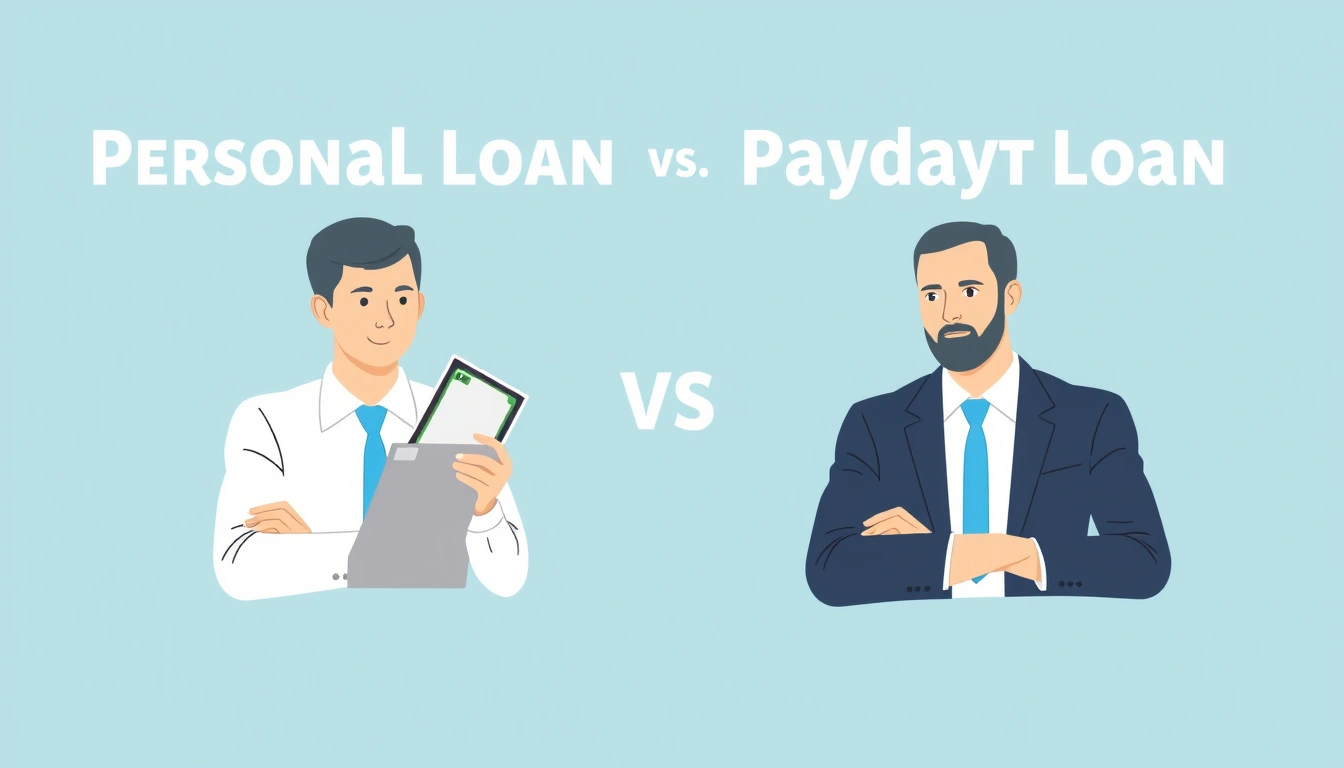
When comparing a $500 payday loan to a $500 personal loan over six months, the difference is stark. Payday loans often come with an APR exceeding 400%, translating to a total repayment of around $750. In contrast, personal loans typically have an APR between 10% and 25%, costing approximately $550 over the same period.
How do these numbers play out in real life? If you’re strapped for cash, the additional $200 cost of a payday loan can quickly escalate your financial stress.
A personal loan generally requires better credit, but if you qualify, it’s a more sustainable option. If your credit isn’t the best, consider improving it to access these lower rates.

Personal Loans: Who Benefits Most
Personal loans win hands-down for borrowers with a fair to good credit score seeking lower interest rates. They offer flexibility in repayment terms and the possibility to borrow larger amounts than payday loans.
However, they require thorough credit checks, which could be a hurdle for those with a poor credit history. Despite this, improving your credit score by just a few points can significantly impact your eligibility and the rate you receive.
A small improvement in your credit score can dramatically reduce your APR, saving you hundreds over the loan’s life. It’s worth the effort if you can manage it.
Payday Loans: Specific Cases Where They Make Sense
Payday loans may make sense in emergencies where speed outweighs cost, and credit checks could delay the process. They provide immediate funds without the need for a credit check, which is beneficial when time is of the essence.
However, they’re only a short-term solution and can trap you in a cycle of debt due to high rollover fees and APRs. This rollover trap can double or triple your initial loan amount rapidly.
In situations where you can’t afford to wait for loan approval, a payday loan might become a necessary evil. But planning for emergencies can help avoid costly borrowing.
What Is a Payday Alternative Loan and How Do I Get One?
A Payday Alternative Loan (PAL) is offered by credit unions, providing a lower-cost option compared to traditional payday loans. These loans cap the APR at 28% and typically offer terms up to six months, making them more manageable.
PALs require membership in a participating credit union and a small fee, but they often offer financial counseling services that can help you improve your financial health.
Finding a credit union that offers PALs can be a game-changer if you’re looking for a short-term borrowing solution with a focus on financial improvement.
Are Payday Loans Legal in My State and What Regulations Protect Me?
Payday loans are not legal in every U.S. state. As of 2026, 19 states have either banned or heavily regulated payday lending, meaning the availability and terms of these loans can vary significantly.
The CFPB payday lending rule sets federal guidelines to protect borrowers, but state restrictions have a more direct impact. Understanding whether your state has a payday lending ban or cap is crucial before considering this option.
Check your state’s specific regulations to ensure you’re protected from predatory lending practices.
Our Verdict: Which One to Choose and Why
Choose a personal loan if you have fair to good credit and need a longer repayment period with lower interest rates. Choose a payday loan only for emergencies where speed is critical, and you have no other options.
- Personal loans are cheaper but require better credit.
- Payday loans are costly but offer quick funds with no credit check.
- 19 states restrict or ban payday loans; check your local laws.
- PALs offer a lower-cost payday loan alternative via credit unions.
Exception Scenarios: When the Verdict Flips
1. **No Credit History**: If you have no credit history, a payday loan might be your only immediate option, albeit costly.
2. **Urgent Medical Expenses**: For immediate, lifesaving expenses where time is non-negotiable, a payday loan could be justified if no other funds are available.
3. **Temporary Cash Flow Issues**: If you’re certain of incoming funds soon (like a paycheck), a payday loan might bridge the gap, but calculate the total cost first.
4. **Limited Access to Credit Unions**: If you lack access to a credit union offering PALs, your alternatives might be limited to traditional payday lenders.
| Criteria | Personal Loan | Payday Loan | Winner for Condition |
|---|---|---|---|
| APR | 10-25% | 400%+ | Personal Loan |
| Approval Speed | Days | Hours | Payday Loan |
| Credit Requirement | Fair to Good | None | Payday Loan |
| Repayment Term | Months to Years | Weeks | Personal Loan |
| Rollover Fees | None | High | Personal Loan |
| Amount | Higher | Lower | Personal Loan |
Common Questions About personal loan vs payday loan comparison
What is the difference between a personal loan and a payday loan?
A personal loan offers lower interest rates and longer repayment terms but requires good credit. Payday loans have higher interest rates, shorter terms, and don’t require credit checks, but they are more expensive overall.
How much more does a payday loan cost compared to a personal loan over time?
A payday loan can cost over three times more than a personal loan over six months due to high APRs, with a $500 payday loan potentially costing $750 versus $550 for a personal loan.
What is a payday alternative loan and how is it different from a regular payday loan?
A Payday Alternative Loan (PAL) is offered by credit unions with a cap on APR at 28%. It differs from regular payday loans by offering lower rates and longer terms, providing a more affordable option.
Are payday loans legal in every US state?
No, payday loans are not legal in every state. As of 2026, 19 states have banned or heavily restricted payday lending practices due to their high costs and predatory nature.
Can I switch from a payday loan to a personal loan to save money?
Yes, switching from a payday loan to a personal loan can save you money if your credit has improved or if you can secure a personal loan with lower interest rates and longer terms.
The Bottom Line
For most, a personal loan is the smarter financial choice if you qualify due to its lower costs. If you’re in a pinch, consider a payday loan only if absolutely necessary and for short-term use. Exploring a personal loan near me could open up more affordable borrowing options.
If you’re facing a financial decision this week, start by checking your credit score and exploring personal loan options. It might save you more than you think.
“`
See also: personal loans near me
See also: personal loans for bad credit near me
Related: personal loan statistics and trends
Related: credit union membership benefit
Related: same-day disbursement
Related: balance transfer fee