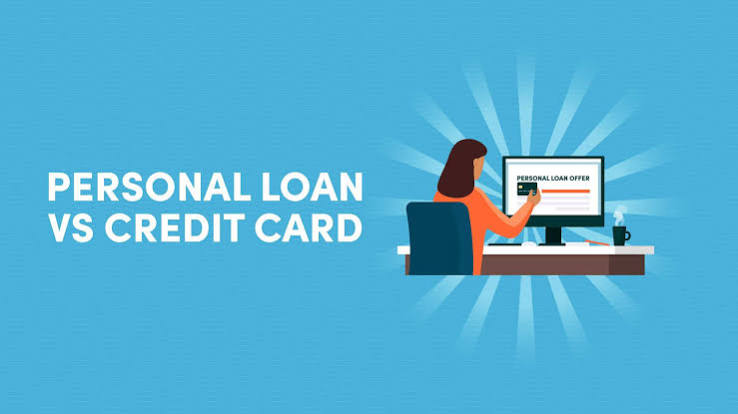
Debt Repayment: Personal Loan vs Credit Card — Which Saves More?
“`html
Debt Repayment: Personal Loan vs Credit Card — Which Saves More?
⏱️ 8 min read · Last updated: 2026
- Average personal loan APR for good credit: 7%–12%
- Typical 0% introductory APR period length: 12–18 months
- Balance transfer fee percentage range: 3%–5%
- Average credit card APR for carried balances: 15%–24%
- Break-even debt amount where personal loans beat balance transfers: typically $10,000+
Many find themselves torn between paying off debt with a personal loan or a balance transfer credit card. Imagine having $10,000 in high-interest credit card debt. A 0% balance transfer card might sound like a no-brainer until you face the transfer fees and a looming end to the introductory APR period.
Choosing a fixed-rate personal loan offers a clear payoff plan with a fixed repayment term. This approach provides financial discipline and is particularly effective when dealing with larger debts. Your ideal choice will depend on various factors, including your debt amount and commitment to repayment.
The Real Difference Between Personal Loans and Balance Transfer Cards
When considering “personal loan vs credit card for debt,” the primary difference is in repayment structure. Personal loans offer a fixed repayment term, meaning you know exactly how much you’ll pay each month and for how long. Balance transfer cards, on the other hand, feature a 0% introductory APR period that can significantly reduce interest if you pay off the balance within that timeframe.
While personal loans provide stability, credit cards offer flexibility with the risk of high variable APRs post-introductory period. Your credit utilization ratio also plays a crucial role here; personal loans don’t affect it as much as maxing out a credit card might.
Personal Loans: Who Should Actually Use This (and Who Shouldn’t)
Choose a fixed rate personal loan if you are dealing with large debt amounts, typically over $10,000, where a predictable monthly payment is essential. These loans are ideal for those who prefer a set timeline for debt payoff and may have a higher credit utilization ratio.
However, personal loans come with their drawbacks. High origination fees can eat into the loan amount, reducing the funds available for paying off your debt.
Balance Transfer Cards: The Specific Situations Where They Win
A balance transfer credit card shines when you can pay off the transferred amount within the 0% introductory APR period, typically lasting 12–18 months. This option is attractive for smaller debts where the balance transfer fee doesn’t outweigh the interest savings.
However, if you fail to pay off the balance in time, you may face high variable APRs, sometimes exceeding 24%, which can negate the initial benefits. Also, maintaining a low credit utilization ratio is critical as running a high balance on your card can impact your credit score significantly.
The Honest Side-by-Side Comparison
| Criteria | Fixed Rate Personal Loan | Balance Transfer Credit Card | Winner for [Condition] |
|---|---|---|---|
| Introductory APR | Not applicable | 0% for 12–18 months | Balance Transfer |
| Repayment Term | Fixed | Variable | Personal Loan |
| Total Interest Paid | Lower for large debts | Lower if paid within the intro period | Depends on Payoff Timeline |
| Credit Utilization Impact | Minimal | Significant if maxed out | Personal Loan |
| Balance Transfer Fee | Not applicable | 3%–5% | Personal Loan |
| Discipline Required | Moderate | High | Personal Loan |
| For Debt Over $10,000 | Ideal | Risky | Personal Loan |
| For Debt Under $5,000 | Not cost-effective | Ideal | Balance Transfer |
Our Verdict: Which One to Choose and Why
Choose a fixed rate personal loan if you have a large debt amount and prefer structured, predictable payments over a set period. Choose a balance transfer credit card if your debt is smaller, and you can capitalize on the 0% introductory APR period. Neither option suits you if you lack the discipline to adhere to structured payments or have a poor credit score.
Exception Scenarios: When to Reconsider This Choice Entirely
While the above guidelines hold in most cases, consider these exceptions:
- If you anticipate a substantial income increase soon, a balance transfer credit card might work even for larger debts.
- If your credit score improves significantly, refinance your debt with better terms.
- If unexpected expenses arise, a personal loan with flexible terms might be more forgiving.
- If your credit utilization ratio is too high, reducing your reliance on credit cards might be crucial.
- A fixed rate personal loan is often best for debts over $10,000.
- Balance transfer cards are ideal for smaller debts paid off quickly.
- High discipline is required to benefit from balance transfer cards.
- Consider total interest and fees before making a decision.
Common Questions About personal loan vs credit card for debt
What is the difference between a personal loan and a balance transfer for debt?
A personal loan offers a fixed repayment term and interest rate, suitable for larger debts. A balance transfer card provides a 0% introductory APR, ideal for smaller debts quickly paid off to avoid high variable rates.
How do I calculate whether a personal loan or credit card saves me more on interest?
Calculate the total interest for fixed-rate loans using the loan’s APR and term. For credit cards, consider the 0% APR duration against the balance transfer fee and potential post-introductory rates.
Personal loan vs credit card — which is better for $5,000 in debt?
A balance transfer credit card is typically better for $5,000 in debt if you can pay it off during the 0% introductory APR period, minimizing interest and fees.
Can a balance transfer card hurt my credit score more than a personal loan?
Yes, if you max out the card, it can negatively affect your credit utilization ratio, potentially lowering your credit score more than a personal loan would.
What fees should I compare between a personal loan and a balance transfer card?
Compare the origination fees for personal loans (usually 1%–8%) and balance transfer fees for credit cards (3%–5%). Also, consider the APR after any introductory period.
The Bottom Line
Deciding between a personal loan and a balance transfer credit card for debt depends on your debt size and repayment strategy. For structured payoff and larger debts, a personal loan is usually best. However, for smaller debts, a balance transfer card can save you money if used wisely.
Start by assessing your debt situation and discipline level, then move forward with confidence. For further guidance, check out our Personal Loans Near Me: Complete Local Lender Finding Guide for Every Credit Profile.
“`
See also: personal loans near me
See also: personal loans for bad credit near me
See also: personal loan statistics and trends
Related: personal loan requirements by state
Related: pre-approval letter
Related: title insurance premium