State-Specific Personal Loan Essentials for 2026
“`html
Personal Loan Requirements by State: What You Must Know for 2026
⏱️ 8 min read · Last updated: 2026
- State usury cap percentages range from 6% to 36%.
- NMLS licensing verification is accessible at NMLSConsumerAccess.org.
- The maximum legal interest rate for personal loans varies, often between 24% and 36%.
- CFPB complaint resolution averages 45 days.
- Cooling-off periods for loan cancellation range from 3 to 15 days.
Is the interest rate on your personal loan capped at a reasonable level by your state’s laws? Depending on where you live, state usury law can significantly affect the terms offered by lenders. Understanding these laws ensures you are aware of the potential costs and protections when borrowing. For instance, a friend of mine in New York discovered that the state’s strict interest rate ceiling saved him a bundle compared to his previous lender in another state. It’s not just about the numbers—it’s about knowing your rights and protections as a borrower.
What Are the Legal Requirements for Getting a Personal Loan in My State?
Personal loan requirements by state include compliance with state usury laws, obtaining a state lending license, and adhering to borrower protection statutes. Lenders must register with the NMLS, ensuring that borrowers can verify their legitimacy quickly. These steps vary by state but fundamentally ensure borrower safety and fair practices.
States enforce different licensing requirements to protect consumers from predatory lending practices. Before agreeing to any loan terms, make sure your lender is compliant with your state’s specific rules. This verification provides peace of mind by ensuring legitimate lending operations.
Does My State Have a Cap on Personal Loan Interest Rates That Lenders Can Charge?
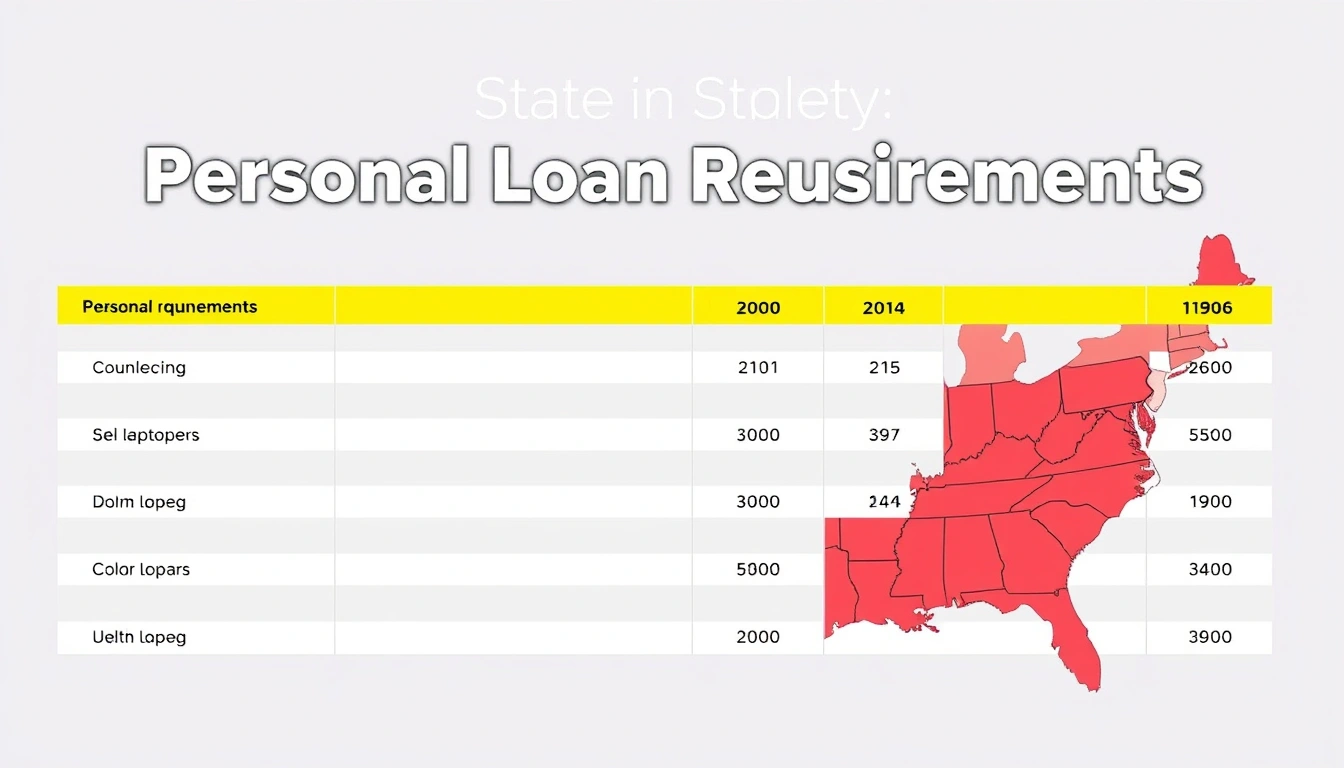
Yes, most states impose an interest rate ceiling on personal loans, often to curb predatory lending. The cap ranges significantly, from as low as 6% to as high as 36%, depending on the state. This interest rate ceiling directly influences the cost of borrowing and can vary based on loan amount and term.
For instance, in Arkansas, the interest rate cap is notoriously strict, set at 17%. Meanwhile, South Dakota has no set rate limit for personal loans, which can lead to higher borrowing costs. Knowing your state’s cap can help you better negotiate your loan terms or decide if a personal loan is right for you at all.
How Do I Check If a Personal Loan Lender Is Licensed in My State?
Verifying a lender’s license is crucial, and it’s easily done through the Nationwide Multistate Licensing System (NMLS). Simply visit NMLSConsumerAccess.org, enter the lender’s name or license number, and see if they’re authorized to lend in your state.
This process helps ensure you’re dealing with a legitimate lender, protecting you from illegal or predatory practices.
What Borrower Protection Laws Does My State Have for Personal Loans?
Borrower protection statutes are a critical aspect of personal loan requirements by state. These laws might include right-to-cancel periods, mandatory disclosures, and limits on fees and charges. Such protections vary widely, with cooling-off periods ranging from three to fifteen days, allowing borrowers to reconsider their agreements.
For example, Texas has laws that require lenders to disclose all terms upfront and offer a cooling-off period, ensuring borrowers have time to back out of a potentially bad deal. Understanding these protections can empower you to make informed decisions about your finances.
Exception Scenarios: When the General Rules Don’t Apply
Although personal loan requirements by state are generally consistent, certain scenarios can alter typical rules. Military personnel might receive additional protections under the Military Lending Act, capping interest rates at 36% and offering specific protections against predatory lending.
In states with high usury caps, lenders might offer lower rates to remain competitive or due to specific borrower qualifications. Additionally, some states offer special programs for low-income borrowers, providing more favorable terms through nonprofit organizations or state-backed loans.
Our Verdict: What You Should Do Next
Choose a personal loan if your state offers strong borrower protections and reasonable interest rate caps. Consider alternatives like credit unions if your state lacks these. Always verify your lender through NMLS, and know your rights to avoid predatory practices. If you’re ever in doubt, use the personal loans near me guide for further assistance.
- State usury laws greatly impact personal loan terms.
- Verify any lender’s license via NMLSConsumerAccess.org.
- Interest rate caps can vary from 6% to 36% depending on the state.
- Cooling-off periods range 3-15 days for loan cancellation.
Common Questions About personal loan requirements by state
What is the maximum interest rate a lender can charge on a personal loan in my state?
The maximum interest rate varies by state, typically ranging from 6% to 36%. Check your state’s specific usury laws for precise figures.
How do I verify that a personal loan lender is properly licensed in my state?
You can verify a lender’s license at NMLSConsumerAccess.org by entering the lender’s name or license number to ensure they are authorized in your state.
State lending laws vs federal lending laws — which protects me more?
State lending laws often provide more specific protections, such as usury caps and borrower rights. Federal laws offer broader protections, especially under the CFPB.
What should I do if I think a lender in my state is charging illegal interest rates?
If you suspect illegal interest rates, file a complaint with your state attorney general or the CFPB. Gather all loan documents and any communication for your report.
Can I cancel a personal loan after signing in my state and within what time frame?
Cancellation periods vary by state, generally ranging from 3 to 15 days. Check your loan agreement for specific terms and notify your lender immediately if you wish to cancel.
The Bottom Line
Understanding personal loan requirements by state can help you secure better loan terms and avoid pitfalls. Whether it’s verifying a lender’s NMLS license or knowing your state’s usury caps, these steps are pivotal. Start by checking your state’s laws and utilize the Personal Loans Near Me guide for tailored advice. Implement these strategies for a safer and more informed borrowing experience.
“`
See also: personal loans near me
See also: personal loan vs payday loan comparison
See also: personal loan statistics and trends
Related: pre-approval letter
Related: down payment assistance grant
Related: title insurance premium